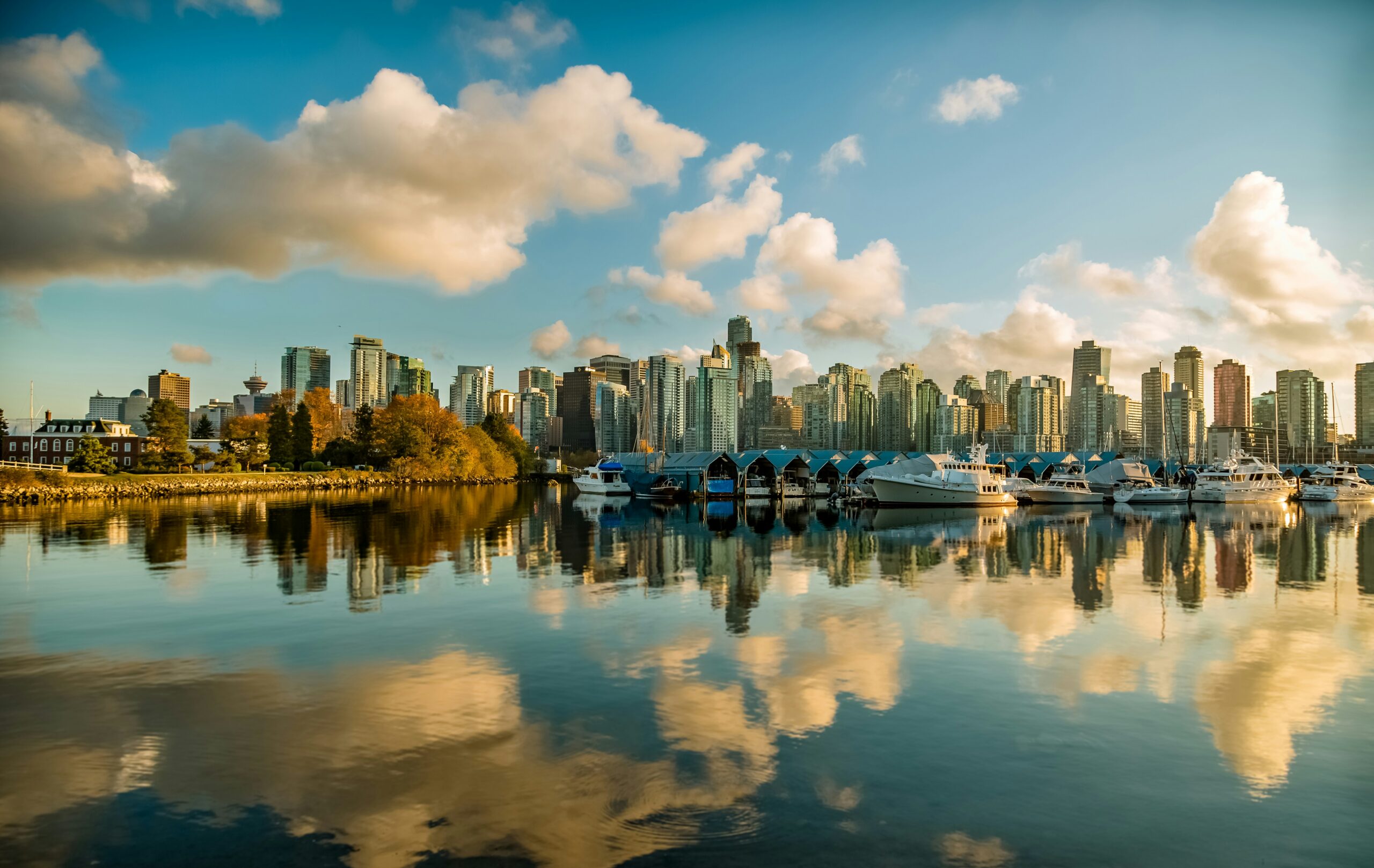
Moving to a new country often starts with a specific image in mind: walking along an ocean seawall, breathing in crisp coastal air, and looking up at snow-dusted mountains rising right behind the city skyline. For millions of people planning a life in Canada, that picture is Vancouver.
When international reports declare Vancouver as one of the best places on Earth to live, it gives you a huge boost of confidence. But right behind that excitement comes a very real, practical worry that keeps many prospective immigrants up at night: Can I actually afford to build a life there?
Understanding how these global quality-of-life scores work and what they mean for your actual monthly bills gives you the tools to plan a realistic, successful landing.
Where Vancouver Stands Globally
In the Economist Intelligence Unit’s Global Liveability Index, Vancouver placed ninth overall out of 173 cities surveyed worldwide. It also stands out as the only city in all of North America to make the global top ten.
Copenhagen took the top spot globally, followed closely by European and Australian heavyweights like Vienna, Melbourne, Sydney, Zurich, and Geneva. Osaka, Adelaide, Tokyo, and Vancouver filled out the rest of the top ten. Interestingly, not a single American city made the cut.
Vancouver earned an overall quality-of-life rating of 96 out of 100. Looking at the individual categories shows why it performs so well on paper:
- Education (100 out of 100): A perfect score reflecting top-ranked public schools and world-renowned universities like UBC and SFU.
- Culture & Environment (97/100): Thanks to its fresh air, moderate winters, welcoming communities, and instant access to both coastal beaches and alpine slopes.
- Healthcare (96/100): Backed by a universal public health system and state-of-the-art medical facilities.
- Stability (95/100): Built on low violent crime rates and a strong sense of personal safety.
- Infrastructure (93/100): Anchored by a busy international airport, dependable utilities, and a clean, efficient transit network like the SkyTrain.
What Livability Scores Ignore About the Real Cost of Living
While an overall score of 96 sounds amazing, there is a major detail every prospective newcomer needs to know: This index does not measure housing affordability or how much money you need to survive.
The study measures whether a city has clean water, good hospitals, safe streets, and solid schools. It does not look at what rent costs or how much of your paycheck goes toward housing.
It helps to think of it like evaluating a luxury resort: if you have plenty of money, the amenities are world-class. But for a newcomer who is converting foreign savings, looking for their first Canadian job, or earning an entry-level wage, high local costs can turn a “liveable” city into a source of serious financial pressure.
Comparing Rent and Salary Across Canadian Cities
Rent is usually the biggest chunk out of your paycheck when you move to Canada, and the numbers across major cities really show why.
Take Vancouver, for example. A basic one-bedroom downtown goes for about $2,600 CAD a month. Since the average monthly take-home pay sits around $4,725 CAD, you are handing over nearly 55 percent of your income straight to housing right off the bat.
By comparison, in Toronto, Ontario, a downtown one-bedroom averages around $2,277 CAD per month against an average net salary of $4,826 CAD, taking up about 47 percent of monthly income.
In Montreal, Quebec, a downtown one-bedroom runs about $1,766 CAD per month with an average net salary of $4,140 CAD, consuming roughly 43 percent of take-home pay.
In Winnipeg, Manitoba, a downtown one-bedroom averages $1,381 CAD per month against an average net income of $3,503 CAD, taking up only 39 percent of monthly earnings.
When rent swallows more than half your income in Vancouver, putting money into savings or handling unexpected bills gets tough. Choosing a city with lower rent, or living in surrounding Metro Vancouver communities like Burnaby, Surrey, or Coquitlam, can save you hundreds of dollars every month.
Federal and Provincial Visa Processing Estimates
Wherever you choose to settle, keeping your immigration timeline on schedule reduces a lot of unnecessary stress:
- Canadian Experience Class (Express Entry): Usually takes about 6 to 7 months for workers with at least one year of eligible Canadian job experience.
- Federal Skilled Worker Program: Typically averages 6 to 8 months for skilled professionals applying from overseas.
- BC Provincial Nominee Program (BC PNP): Provincial processing takes 3 to 4 months on average, followed by federal permanent residence processing.
- Start-up Visa and Business Streams: Range from 12 to 24 months for corporate founders and business investors.
Pre-Arrival Checklist
Getting your paperwork and finances organized early prevents last-minute panic as your departure date gets close:
Financial and Administrative Setup
- Create a realistic monthly budget using actual local rental prices rather than general national averages.
- Secure official proof of unencumbered settlement funds (such as bank statements or investment records) that meet IRCC requirements.
- Complete your Educational Credential Assessment (ECA) through an approved evaluation service like WES.
- Take an official language test (CELPIP or IELTS General for English, or TEF/TCF for French) to maximize your immigration points.
Travel and Entry Paperwork
- Make sure your passport has at least 12 months of validity remaining beyond your arrival date.
- Print clean copies of your Confirmation of Permanent Residence (COPR) or approved work permit decision letter.
- Prepare a detailed goods-accompanied and goods-to-follow list for Canadian customs officers.
- Keep copies of your completed medical exam clearances and police background checks.
Tips for Your Border Arrival
When you step off the plane at Vancouver International Airport (YVR) or meet an officer at a Canadian port of entry, keep in mind that border checks are completely routine:
- Know Your Housing Plan: Be ready to state clearly where you will be staying during your initial weeks, whether that is a temporary rental or a host family’s spare room.
- Know Your Finances: Speak comfortably about the funds you brought to support yourself while you settle in and look for work.
- Be Clear About Your Work Background: Describe your career history and target industries in a natural, direct way.
- Keep Paperwork in Your Carry-On: Keep your original COPR papers, proof of funds, passports, and work references in a handheld folder; never pack them inside checked luggage.
Vancouver’s reputation as a clean, safe, and breathtaking city is well-deserved. But the best place to land in Canada is always the city that balances your long-term career goals with your day-to-day financial peace of mind.
To check on your application status, see how much settlement money you need, or log into your profile and head straight over to the official government site: