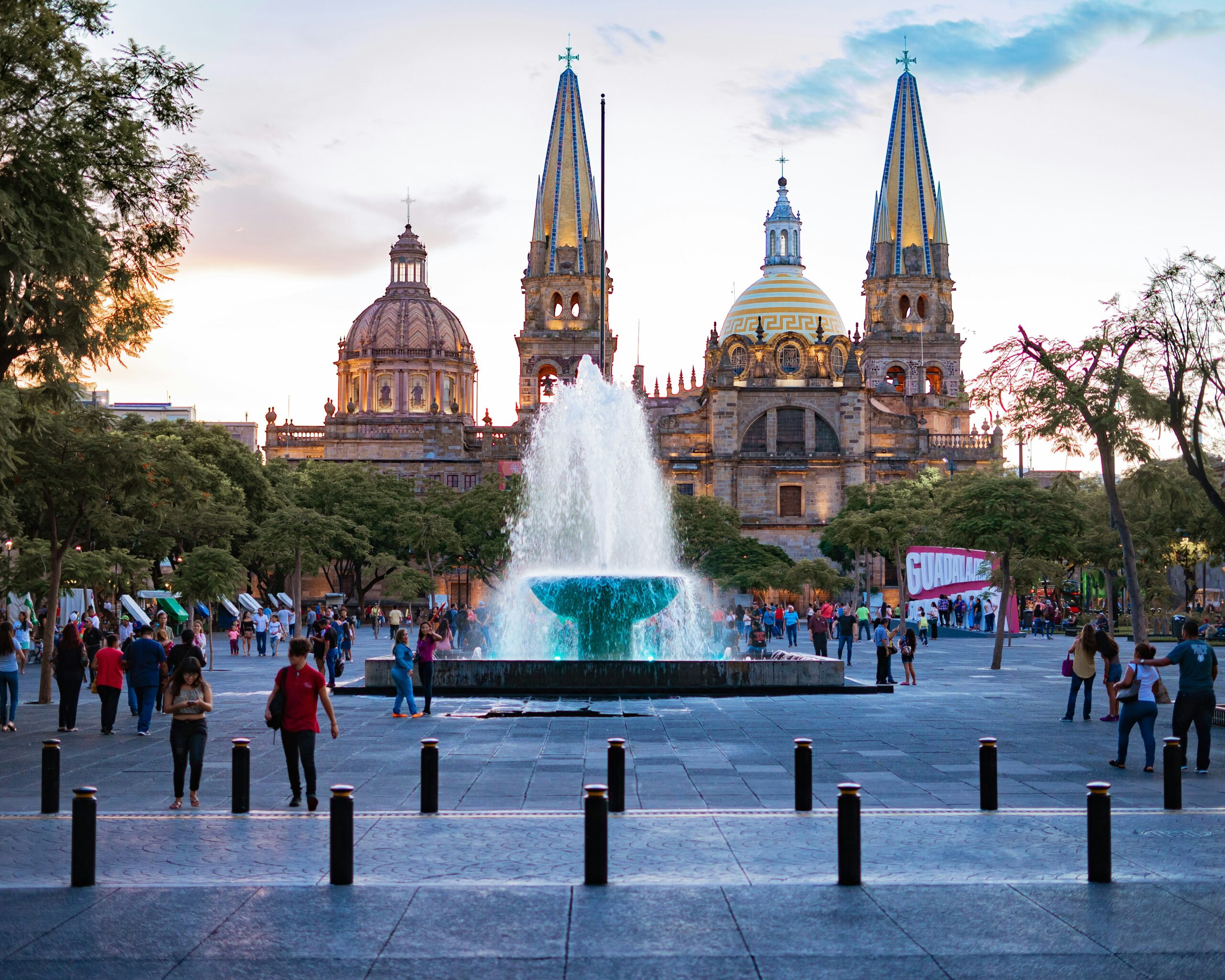
Earlier this year, headlines about clashes between police and local cartels in Jalisco definitely gave a lot of people second thoughts about booking a trip. But as things have settled down since those February events, Jalisco’s tourism minister, Michelle Fridman, is reaching out to let travelers know the state is peaceful, secure, and eager to welcome visitors back. During a recent stop in Vancouver to meet with reporters, Fridman brought a simple, honest message: Jalisco is safe, open for business, and ready to share the true heart of Mexican culture.
From the old stone streets of Tequila, the drink’s actual birthplace, to the traditional roots of mariachi music, Jalisco is deeply tied to the country’s history. It’s home to 12 official “Pueblos Mágicos” (Magical Towns), known for their quiet charm, rich heritage, and gorgeous scenery. Over on the coast, Puerto Vallarta brings together amazing beaches, local food, art galleries, and jungle trails, with direct flights running out of 17 Canadian airports. Big international events, including recent FIFA World Cup matches in Guadalajara and the upcoming ITB Americas trade expo, show that major global organizers still put complete faith in the region.
If you’re gearing up for a trip down to Mexico, getting your entry details squared away early is the best way to make sure everything goes off without a hitch.
Crucial Documents Travelers Forget When Visiting Mexico
Whether you’re planning a beach stay in Puerto Vallarta or taking in the architecture in Guadalajara, keeping your travel papers organized saves you a whole lot of stress when you hit customs.
First, check that your physical passport stays valid through your entire stay in Mexico, with at least one empty page left for stamps. Be sure to print out your Multiple Immigration Form (FMM); that’s the official tourist card every foreign visitor needs, whether flying in or driving across. Slide a hard copy of your flight confirmation into your folder to prove your return date, along with your hotel reservations or host details. Lastly, carry recent bank statements or credit card records showing you’ve got enough money to comfortably cover your daily expenses while you’re there.
What Mexican Consular Officers Look For and How to Organize Your Documents
Being totally prepared is a lot better just in case you end up having a one-on-one interview at the Mexican consulate.
1. Your documents should be arranged in this order: your application form and passport sitting right up top, followed by your financial proofs, flight receipts, and hotel bookings.
2. Be honest and straightforward about your intentions, like what you want to see and do, and mention specific towns on your list like Tequila or Puerto Vallarta.
3. Bring solid evidence that you’d be heading back to your home country after your trip, like a letter from your boss, school records, or property papers. Approach the interview like a calm, respectful chat. Showing up right on time and keeping your papers neat instantly sets a good tone with the officer.
How Early Should You Apply for Your Visa?
Knowing how long paperwork takes keeps you from stressing out over your travel dates as your departure gets close.
If you’re filling out the online Tourist Card (FMM), approval is usually instantaneous or takes at most a day, though getting it done three to seven days before your flight gives you plenty of breathing room. For a Standard Visitor Visa processed through an embassy, turnaround generally takes two to ten business days after your interview, so applying one to two months before leaving is your best bet. Emergency visa slots are usually handled within twenty-four to forty-eight hours, but consulates keep those strictly for genuine emergencies.
You can double-check travel guidelines and fill out your forms on the
Official Ministry of Foreign Affairs (SRE) Visa Information & Requirements:
Consulado de México – Visas for Foreigners / Embajada de México Visa Portal