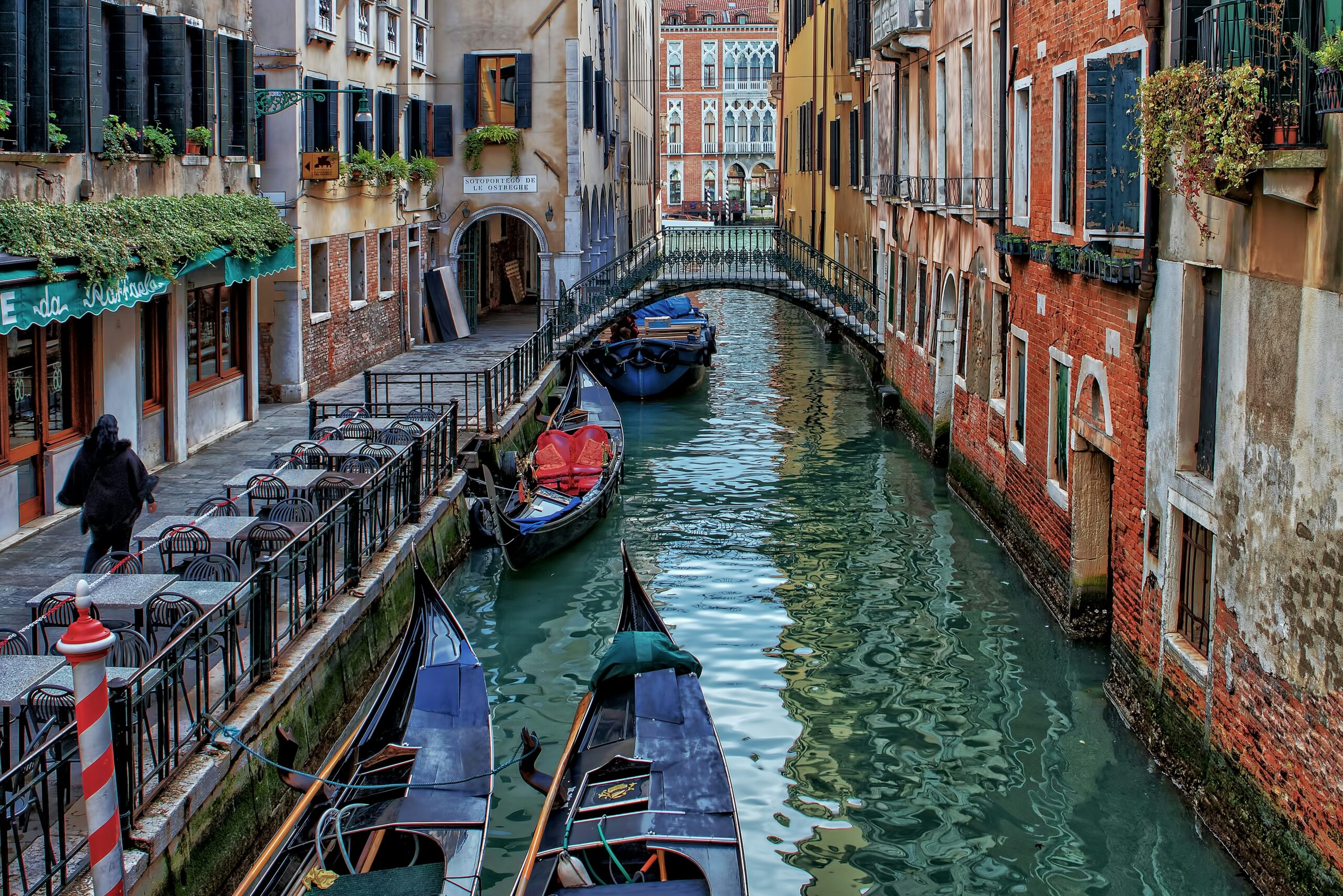
There’s a very specific kind of quiet longing that creeps up on you when you start daydreaming about a trip to Europe. You can almost feel that cool evening breeze drifting off the water, hear the gentle clinking of glasses at sidewalk cafes, and taste that very first bite of handmade pasta. If you’ve found yourself staring out the window lately, trying to figure out where to go on your next big escape, or if you are one of the lucky few who already has plane tickets booked and sitting in your inbox, Venice deserves to be right at the absolute top of your list. Recently highlighted as one of the best value destinations for travelers by Skyscanner, this floating city of winding canals, ancient stone bridges, and narrow alleyways is the kind of place that stays firmly stuck in your mind long after you’ve unpacked your bags back home.
Before you start picturing yourself leaning back on a polished wooden gondola while gliding down the Grand Canal, getting your entry paperwork and travel logistics squared away is the single most important step to make sure your Italian vacation goes off without a hitch. Here is a complete, plain-English guide covering everything you need to see, eat, and experience in Venice, alongside a straightforward walk-through of Schengen visa requirements, embassy interview strategies, and realistic processing timelines.
What to See, Eat, and Experience Around Venice
Venice isn’t a city you just cross off a generic travel checklist; it is a place you feel in your bones. When you are putting together your daily plans, there are a few iconic sights and incredible local eateries that you simply cannot afford to look past.
For classic sightseeing, start your morning at the Rialto Bridge, or Ponte di Rialto. As the very first bridge built across the Grand Canal, walking up its white stone steps gives you an unforgettable front-row view of wooden gondolas and water taxis slicing through the emerald water below. From there, make your way over to Piazza San Marco to stand in front of the Basilica di San Marco. The cathedral’s detailed golden mosaics and grand archways are so staggering that you will find yourself craning your neck for an hour just trying to take in all the detail. Right nearby sits the Palazzo Ducale, the historic Doge’s Palace. Stepping inside allows you to wander through massive courtrooms, explore historical armories, walk the courtyard, and cross the famous Bridge of Sighs, where prisoners once took their final glance at the city.
When hunger hits, Venetian food will make any serious eater fall in love. If you want a cozy, romantic evening, head over to Al Nono Risorto. Their outdoor patio is surrounded by lush greenery, giving it a warm, intimate vibe. Order a bowl of zuppa di cozze, a rich, comforting mussel soup cooked in a savory tomato broth, and use their crusty, freshly baked bread to soak up every last drop while sipping a glass of house wine.
If you are craving pasta, Trattoria Il Vagone serves up massive flavors in a small, unpretentious dining room. Their spaghetti alle vongole (spaghetti tossed with fresh clams) is an absolute masterpiece of oceanic flavor, while the ravioli burro e salvia (ravioli tossed in sage butter) offers something rich, melt-in-your-mouth tender, and comforting. Whatever you do, do not leave without ordering dessert, because the tiramisu at Trattoria Il Vagone is widely considered by locals to be some of the absolute best in all of Venice.
For meat and cheese lovers, La Prosciutteria Venezia is an absolute must-visit. Inside its rustic, exposed-brick interior, you can order giant taglieri, massive wooden grazing boards piled sky-high with cured prosciutto, salami, artisanal cheeses, and fresh fruits, or grab a warm sandwich on toasted schiacciata bread. Wash it all down with a cold, bubbly Aperol spritz, and you are good to go.
To fill out the rest of your trip, jump on a short water bus over to Murano, an island world-famous for its master glassblowers. You can step directly into local artisan workshops to watch live demonstrations as workers transform glowing, molten glass into intricate sculptures, jewelry, and glassware right before your eyes. Back in Venice proper, indulge in a little retail therapy by hunting down local boutiques that handcraft furlane, traditional velvet gondolier slippers that come in endless vibrant colors. And of course, no first-time visit is complete without booking a private gondola ride to drift silently down quiet, hidden canals while your gondolier navigates the waterways.
Gathering Your Italian Visa Paperwork Without the Stress
If your passport requires a visa to enter Italy and the wider European Schengen Area, getting your application folder organized early keeps your anxiety levels low so you can focus on the fun parts of trip planning.
First things first, take out your physical passport and check the expiration date. Consular rules are strict: your passport must have been issued within the last ten years, it must stay valid for at least six full months beyond the date you plan to leave Europe, and it needs to have at least two completely blank pages left for entry stamps. If your passport is expiring soon or running out of pages, get it renewed before you do anything else.
Along with a neatly completed and signed visa application form, you will need two recent passport-style photos. These should be taken within the last six months against a plain, light background, showing your full face without any dark-rimmed glasses or glares.
Next, you need to prove the logistics of your trip. That means providing printed round-trip flight reservations that clearly show your exact entry and exit dates for Italy, alongside verified hotel bookings, apartment rentals, or an official invitation letter from a host covering every single night of your stay. Having a simple day-by-day itinerary outlining what cities you plan to visit also helps demonstrate that you are a genuine tourist.
To satisfy the financial requirements, you must provide original bank statements from the last three to six months proving that you have enough money to cover your daily living expenses while traveling. Finally, you must purchase a valid Schengen travel insurance policy. Italian authorities require this insurance to cover emergency medical treatment, hospital stays, and medical repatriation, with a minimum coverage limit of thirty thousand euros.
Realistic Schengen Processing Timelines You Need to Budget For
When you are trying to book flight deals and reserve popular hotels before they fill up, timing is everything. Knowing how long the paperwork takes behind the scenes helps you avoid sitting around with non-refundable tickets while your passport sits on a desk in an embassy.
For a standard short-stay Schengen tourist visa (often called a Type C visa), official processing generally takes between fifteen and twenty business days once your file is handed over at the consulate or application center. However, during busy summer travel months, appointment slots fill up fast, and consulates get completely backed up with applications.
The smartest move you can make is submitting your application roughly six to eight weeks before your planned flight. Schengen rules allow you to hand in your application up to six months before your trip begins, so there is zero reason to leave it to the last minute.
If you are applying for longer stays or special entry permits (like a Type D visa for extended study or work), processing windows can easily stretch out to anywhere between thirty and sixty business days because of deeper background checks. Once your visa is approved, getting your passport mailed back to your home address via secure courier usually takes another two to five business days.
How to Handle Your Embassy Interview with Confidence
If you get called in for an interview at the Italian consulate or visa center, don’t panic. The staff isn’t out to trap you or ruin your trip; they just need to confirm your plans are legitimate and that you actually intend to return home after your vacation.
Walking in with a neat, well-sorted folder makes a huge difference right off the bat. Lay out your paperwork in the exact order the consulate asks for, starting with your passport and application form on top, followed by your flight receipts, hotel bookings, bank statements, and insurance coverage. Being able to pull out any paper the second they ask for it shows you take the process seriously and respect their time.
When the officer asks about your plans, answer clearly and naturally. Speak openly about the actual sights you want to see and the foods you are excited to try, like grabbing tiramisu at Trattoria Il Vagone or seeing glassblowing on Murano. Make sure the details you speak out loud match the dates on your printed hotel and flight confirmations.
Crucially, be ready to discuss your ties to your home country. Officers want reassurance that you have strong reasons to return home after your vacation. Mentioning your stable job, your business operations, property you own, or family commitments back home naturally establishes your credibility.
Finally, dress neatly in clean, smart-casual clothes, maintain eye contact with the officer, and keep your tone polite, calm, and genuine. A friendly, relaxed attitude turns what feels like an uncomfortable interrogation into an easy, comfortable conversation. Venice is waiting to steal your heart; get your paperwork sorted early, pack your walking shoes, and get ready for an adventure you will never forget!
You can find the original Venetian travel guide and access official visa application resources directly through the Official Travel Inspiration and Italy Visa Portal.