When you are planning a casual trip across the border to California, buying travel insurance is usually the very last thing on your mind. For most of us, California feels familiar, close to home, and totally safe. But the reality of travel is that even a simple, low-key vacation can turn upside down in a fraction of a second.
Take what happened to seventeen-year-old Tyler. He was out enjoying an outdoor trip with his friends among the giant redwood trees near Eureka, California, when a freak accident changed everything. Tyler lost his footing and fell nearly a hundred feet straight out of a tree. He hit heavy branches on his way down and was knocked out completely cold when he slammed into the forest floor.
His friends panicked but reacted fast. They carried his unconscious body out of the dense woods and made it to the nearest roadside where paramedics were waiting. Because his injuries were so severe, emergency crews had to call in an air ambulance helicopter to airlift him straight to a regional trauma center for urgent life-saving care.
When doctors ran emergency scans at the hospital, the results were heavy: Tyler had suffered multiple severe fractures across his hip, pelvis, arm, and face. Surgeons had to rush him into the operating room to drill in pins and metal screws just to hold his hip and pelvis together. The moment his parents up in Canada heard the news, they dropped everything and flew straight down to California to stand watch at his hospital bedside and manage his care.
After four painful days in intensive care, doctors finally stabilized Tyler enough for him to travel. Through his TuGo Emergency Medical Insurance policy, arrangements were made to fly him back to Canada on a commercial flight alongside his parents and a medical attendant. As soon as his plane touched down back home, an ambulance brought him straight to a local children’s hospital to start a long, grueling rehabilitation process.
It is hard to imagine what Tyler’s family would have done without travel insurance. By the time he was well enough to go home, the cost of his treatment and emergency transport had climbed to more than 439,000 Canadian dollars. Hospital care alone accounted for over 286,000 dollars, while doctors’ fees added another 8,000 dollars. The air ambulance that flew him home cost more than 142,000 dollars on its own. On top of that were the flights for his parents and the medical escort who traveled with him. His provincial health plan covered less than $500, leaving the insurer to pay the remaining $439,977.
Looking at those figures, it is easy to understand why so many experienced travelers refuse to leave home without insurance. Tyler never set out expecting his holiday to end in a medical emergency, yet a single accident turned into hundreds of thousands of dollars in expenses. Travel insurance did more than settle the bills. It protected his family from a financial burden that would have been almost impossible to manage on their own.
What to Organize Before You Leave
Long before you board your flight, it’s worth pulling together the documents you’ll need while you’re away. It only takes a few minutes, and if something unexpected happens during your trip, you’ll know exactly where everything is instead of scrambling to find it.
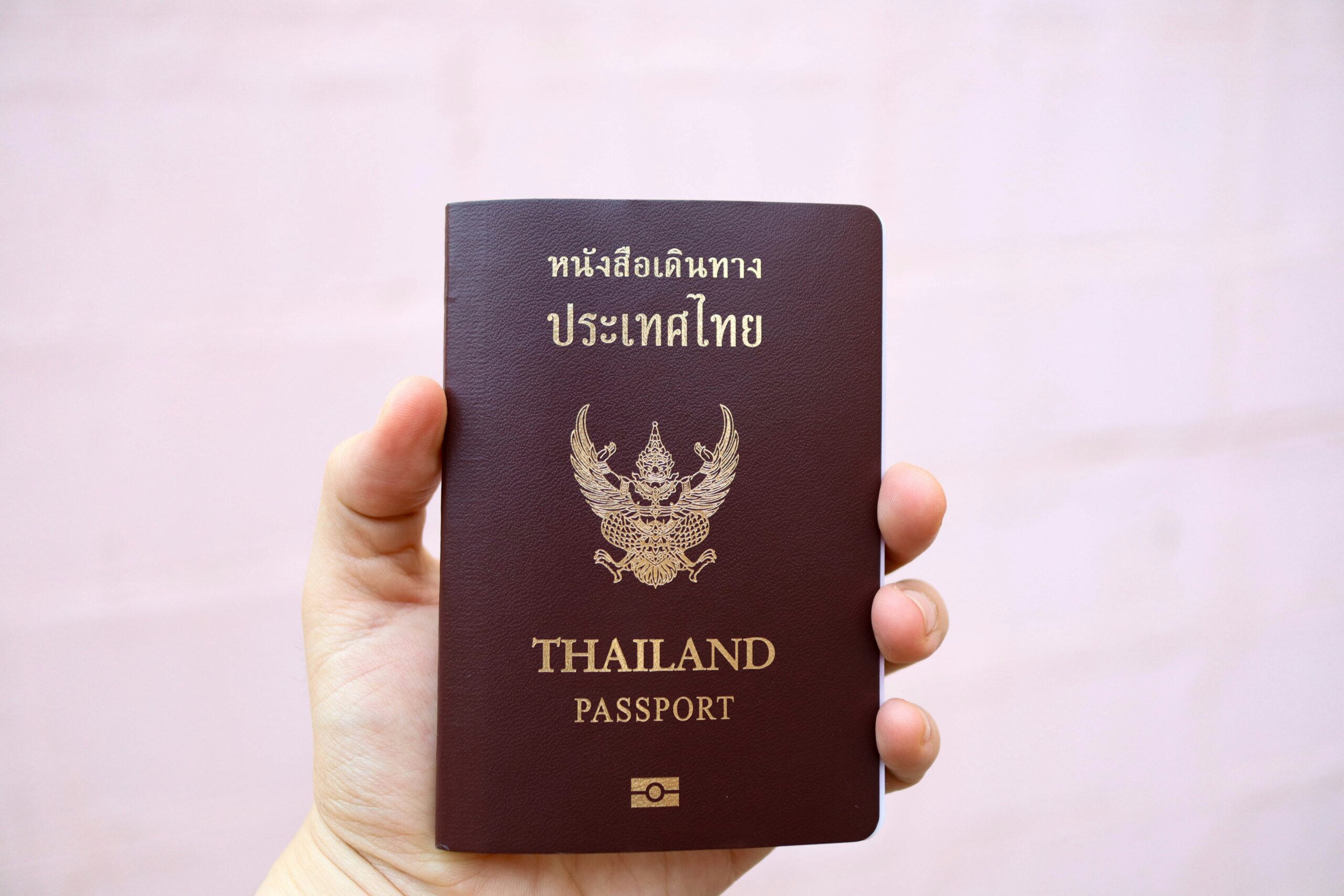
Have a look at your passport and make sure it won’t expire until at least six months after you plan to return. If you’re traveling with an ESTA or you’ve already been issued a visitor visa, keep a printed copy with your travel documents, even if you’ve saved it on your phone. Do the same with your travel medical insurance so your policy details, policy number, and emergency contact information are always within reach. Before you zip up your suitcase, tuck in copies of your hotel confirmations or the details of the person you’ll be staying with, and check that your credit card has enough available credit to cover any unexpected medical charges or security deposits if the need arises.
US Visa and ESTA Processing Times
One of the easiest ways to avoid unnecessary stress before your trip is to have a realistic idea of how long the paperwork can take.
If you’re eligible for an Electronic System for Travel Authorization (ESTA), approval is often issued within 24 to 72 hours. Even so, it’s worth applying about a week before you travel. It’s a simple step that can save you from worrying about unexpected delays.
If you need a B1/B2 tourist visa, you’ll want to give yourself much more time. Depending on where you’re applying, it can take weeks, or even months, to get an interview appointment because of demand at some U.S. embassies and consulates. After the interview, visa processing usually takes another two to six weeks before your passport is returned. If you’re dealing with a genuine emergency, such as a serious medical situation or an urgent family matter, you can ask for an expedited appointment. Those requests are typically handled within two to five business days.
Essential Tips for a Stress-Free Visa Interview at the Embassy
If you are asked to attend an in-person visa interview at an embassy, keep your folder organized with your passport and application page right on top, followed by financial records and insurance details. Speak directly and honestly about your travel plans, name the exact cities you plan to visit, and show clear proof of your ties to your home country, such as your job, business, or school enrollment. Remaining calm, polite, and completely genuine with the consular officer makes the entire conversation flow naturally.
To check official guidelines or read more about travel medical coverage, you can access the Official Government Travel and Visa Information Portal.