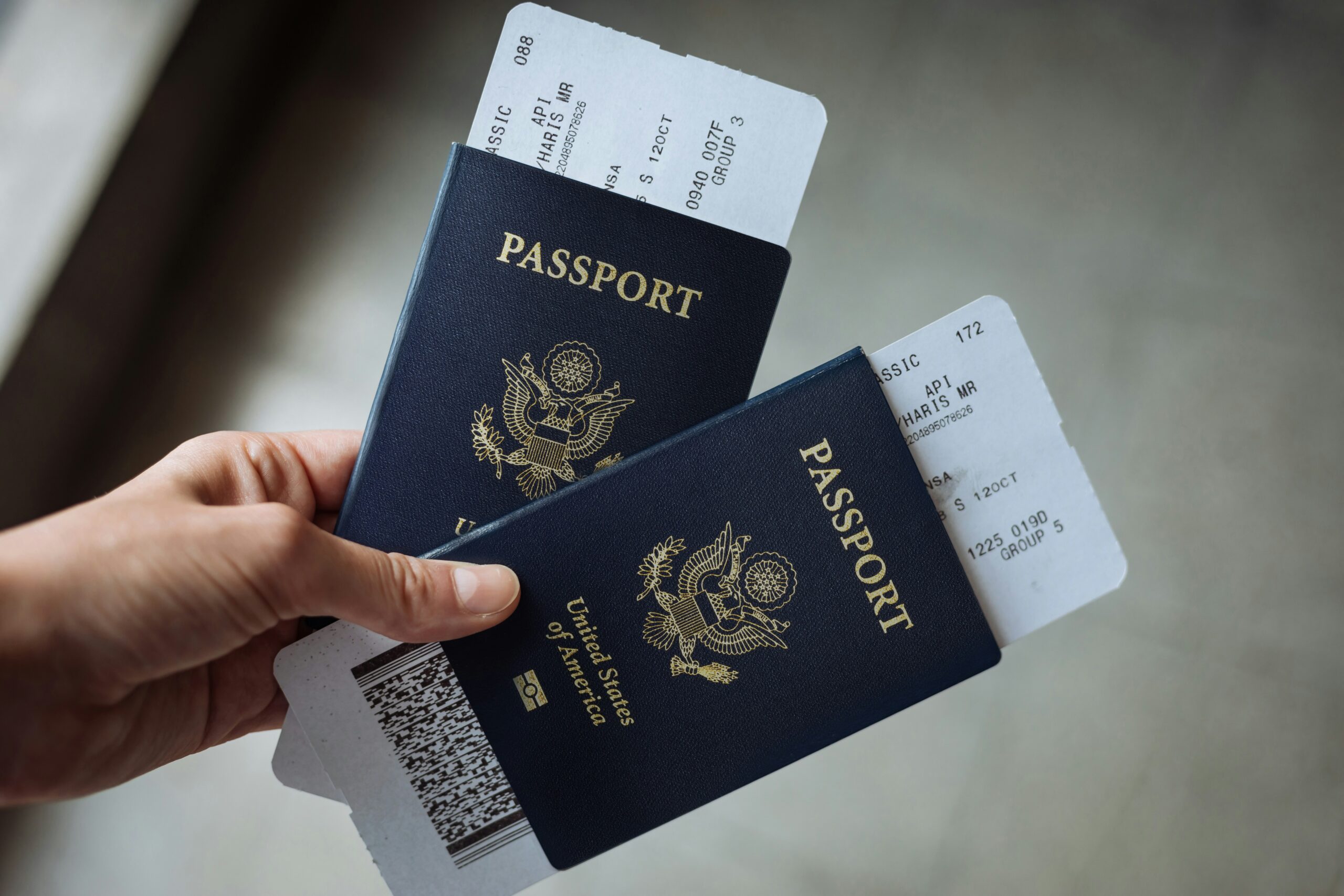
On July 17, the U.S. Department of Homeland Security announced a major rule change that directly impacts foreign reporters, exchange scholars, and international students. Starting September 15, 2026, the government is ending the 50-year-old “duration of status” system and starting open-ended stays with hard expiration dates.
Before this change, if you were on an F-1, J-1, or I visa, your Form I-94 was marked “D/S” for duration of status. That meant you could legally stay in the country as long as you remained enrolled, made progress toward your degree, and kept your SEVIS record active. School advisors handled almost every update behind the scenes, so you rarely had to file formal applications with USCIS. That easy process is over. Border officers will now print a hard expiration date directly onto your I-94, and staying past that date without an approved USCIS extension puts you out of status immediately.
What the New Four-Year Limit Means for International Students and Media
The new rule places strict limits on how much time you get right out of the gate, depending on your visa classification.
- F-1 Academic Students: You’ll be admitted for the length of your program listed on your Form I-20, capped at a hard maximum of four years. If you’re tackling a longer program, like a PhD, medical degree, or joint master’s, you’ll have to file a formal extension request with USCIS before that four-year mark hits. On top of that, your grace period after finishing your degree or post-completion OPT has been cut in half, dropping from 60 days down to just 30 days.
- J-1 Exchange Scholars: You’ll be admitted for the program period listed on your Form DS-2019, also capped at four years. Researchers, professors, and physicians whose projects run longer will now have to file formal extensions directly with USCIS or leave the country and apply for re-entry.
- I Foreign Media Representatives: Initial stays are capped at whatever time you need to finish your media assignment, up to a maximum of 240 days. Foreign journalists carrying passports from the People’s Republic of China face an even tighter limit of just 90 days.
Filing Extensions and Dealing with USCIS Oversight
In the past, school advisors and exchange officers could extend your program with a few clicks inside the SEVIS database. Today, that entire process is handed over to USCIS, meaning federal officers now review and approve every single extension request directly.
If you need to stay in the U.S. past your I-94 date, then you will be expected to file Form I-539, pay the required fee, get your biometrics done, and prove you’ve followed all your visa rules. USCIS doesn’t just hand out extra time to students, either. You’ll need solid proof showing why you couldn’t finish on schedule, like an unexpected delay with your classes, a serious medical issue, or a major emergency out of your hands.
To keep you from losing your job while waiting on slow processing times, the rule offers a temporary safety net: Curricular Practical Training (CPT), J-1 work authorization, and I-1 visa work permissions are automatically extended for up to 240 days while a timely filed extension application sits with USCIS.
Strict Limits on Changing Majors and Unlawful Presence
The regulation puts a heavy lock on academic changes. Once you complete an F-1 degree, you are only allowed to move up to a higher educational level (like transitioning from a master’s to a PhD). Enrolling in a second degree at the same level or stepping down to a lower degree is no longer allowed under standard status maintenance.
The biggest legal danger here involves how “unlawful presence” gets counted. Under the old duration-of-status system, you didn’t start accumulating unlawful presence unless an immigration judge or USCIS formally declared you out of status. Under this new fixed-date setup, if your I-94 expires and you haven’t filed an extension or a change of status application, you start accruing unlawful presence the very next day. Hitting 180 days of unlawful presence triggers a mandatory three-year ban from re-entering the country, while hitting a full year triggers a ten-year ban.
Leaving the U.S. After September 2026? Read This Before You Book Your Flight
If you’ll be in the U.S. under a duration of status by September 15, you don’t need to worry. The transition rules let you stay right where you are until the end date on your current I-20 or DS-2019, up to four years after the new rule kicks in. Just remember: as soon as you set foot outside the country and come back, that open-ended status is history, and border officers will stamp a hard expiration date on your new I-94.
With USCIS taking forever to process paperwork these days, anyone impacted by this needs to keep a close eye on their I-94 expiration date and get their extension paperwork together months ahead of time.
Essential Links and Legal Resources