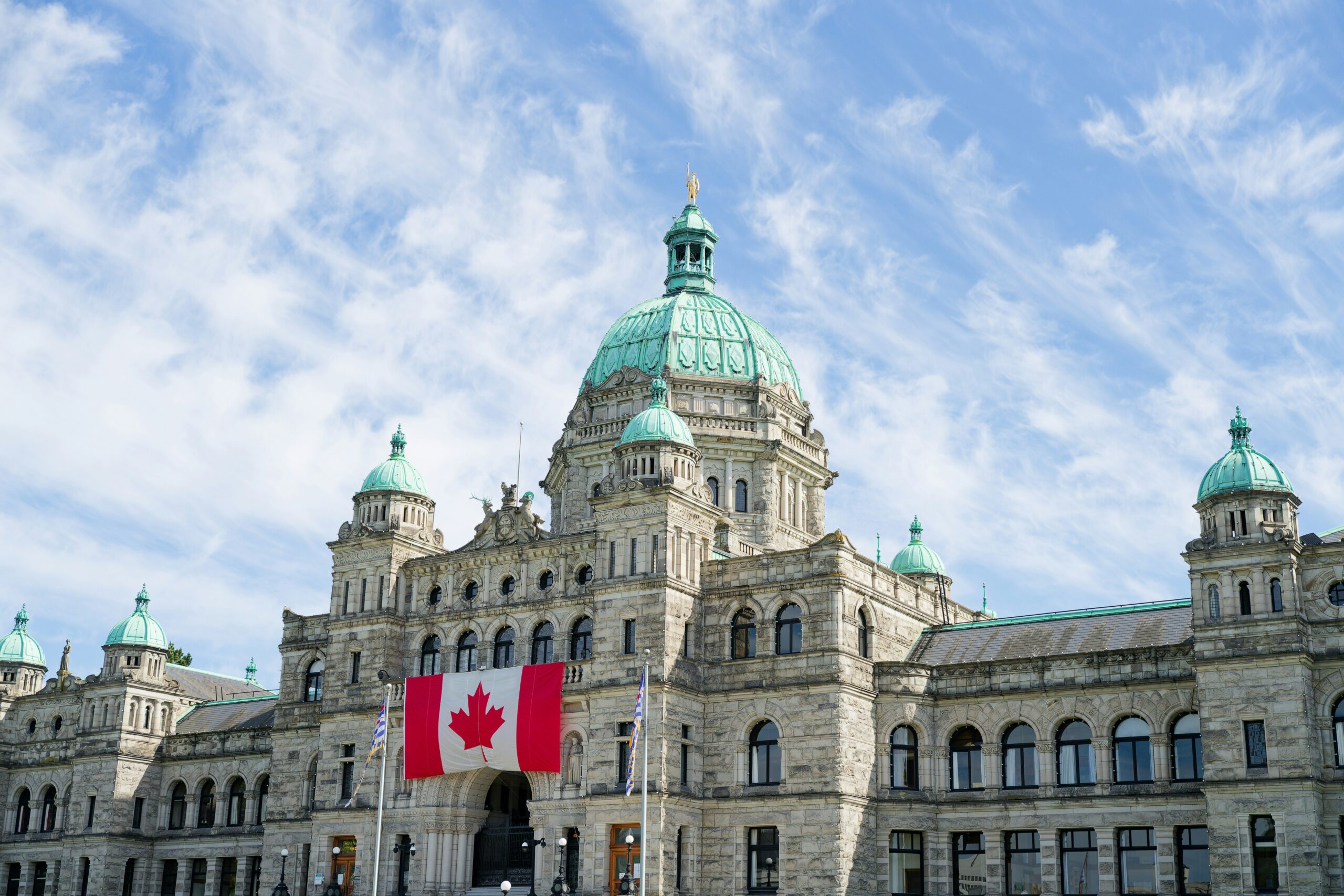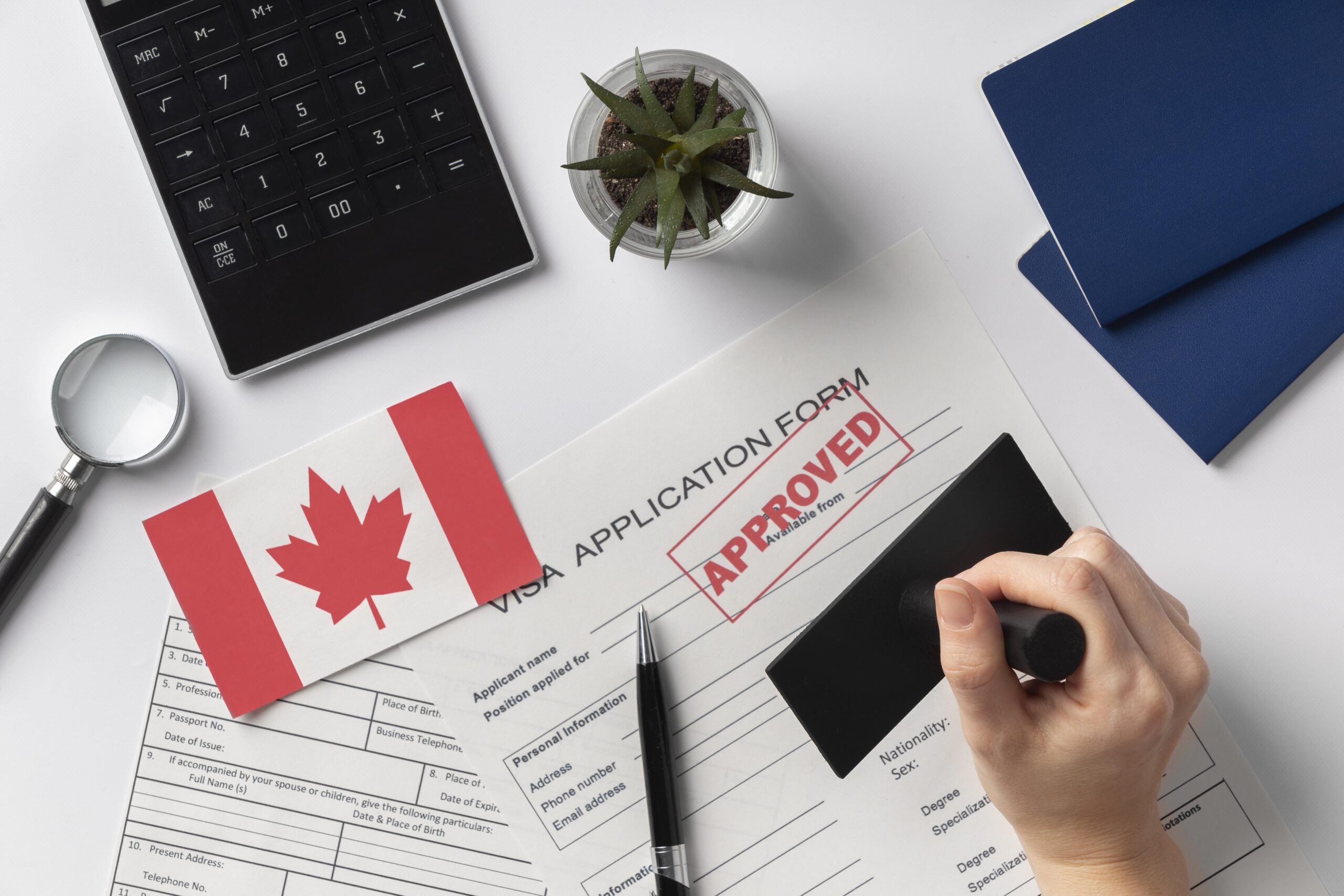
Canada has just extended the Francophone Minority Communities Student Pilot to August 2027. Giving French-speaking international students another full year to build their futures. It’s an incredible chance to get a great degree, settle into a close-knit town, and really put down roots in vibrant French-speaking neighborhoods outside Quebec.
This extension shows how much the country values bilingual talent. It isn’t just about bringing in students; it’s about helping local businesses find great people and keeping the rich cultural heart of Francophone life thriving across provinces like Ontario, New Brunswick, Alberta, and Saskatchewan.
How to Study in Canada with Family Work Permits and a Direct Path to Permanent Residence
For many bright students living across Africa, the Middle East, and the Americas, applying for a Canadian study permit used to mean facing high rejection rates and heavy financial strain. This program was set up specifically to break down those old barriers.
Students accepted under the pilot get dedicated settlement support to help them adjust to life in Canada from day one, do not need to secure a provincial attestation letter, and gain a direct, realistic bridge toward permanent residence after graduating. Even better, your spouse, common-law partner, and dependent children can join you on the move, qualifying for open work permits or study permits so your family stays together throughout your studies.
How the Francophone Student Pilot Leads Directly to PR
This extension forms part of a much larger federal strategy to support French language and culture right across the country. Through its Official Languages plan, Canada is investing $25 million over five years into innovation for Francophone immigration, with over $15.7 million already distributed across twenty recruitment and integration projects.
The results are already showing. Since launching, the pilot has welcomed 515 French-speaking students along with 150 accompanying family members. The very first group of graduates will become eligible to apply for permanent residence in 2027, creating a direct pipeline from the classroom to becoming permanent community members.
6 Core Requirements Every Applicant Must Meet
To qualify for the FMCSP, you need to meet a few core requirements:
- You must hold citizenship in an eligible French-speaking nation within the Organisation internationale de la Francophonie, such as Senegal, Cameroon, Côte d’Ivoire, Haiti, Lebanon, Morocco, Tunisia, or several others across Africa, the Middle East, and the Americas.
- You must be living outside Canada when you submit your application.
- You need an official acceptance letter from an approved college or university outside Quebec confirming your spot under the pilot.
- You must prove you have enough savings to cover your tuition fees, living expenses, and travel costs.
- You need to show your French language skills meet at least NCLC Level
- You must clear standard medical and security checks where applicable.
How to Qualify for Canadian French-Language Study Programs
Your chosen study program must be full-time, run for at least two years, lead to a recognized degree or diploma, and have more than 50 percent of its coursework taught in French outside Quebec. Participating schools include colleges and universities across Ontario, New Brunswick, Prince Edward Island, British Columbia, Saskatchewan, and Alberta, such as Collège Boréal, Université de Moncton, University of Ottawa, University of Alberta, York University’s Glendon Campus, and Université de l’Ontario français.
Essential Checklist for Canada’s Francophone Minority Communities Student Pilot (FMCSP)
Before submitting your file online, make sure your document folder is complete and easy to navigate:
- Passport and Citizenship: A valid passport from an eligible Francophone country proving you live outside Canada.
- Acceptance Letter: Your official acceptance letter from a participating school outside Quebec confirming your eligible program.
- Language Test Scores: Official results proving at least NCLC Level 5 in French.
- Financial Proof: Come alongside your latest bank statements, GIC receipts, approved loan papers, scholarship award letters, signed sponsor letters, or paid tuition receipts so the officer sees you can comfortably cover your tuition and living costs without stressing.
- Family Documents: For any family member (spouse or children) who will be joining you, make sure to organize your official marriage certificate, birth certificates, and current passport copies
- Health and Security Checks: Include your official medical exam confirmation from an approved panel physician, along with up-to-date police clearance certificates if your situation requires them.
What Visa Officers Really Look For During Your Student Interview
Being well-prepared takes away the anxiety and keeps things pretty simple.
Keep your acceptance letter, language test results, and bank papers right on top so you aren’t nervously sorting out your folder when called. Talk openly and naturally about your journey, why this specific course grabbed your attention, and how excited you genuinely feel about settling into a French-speaking community outside Quebec. Show the officer that you’ve done your homework on the town, really know your budget inside out, and have a clear vision for your education. Arriving a bit early, looking sharp, and handing over a perfectly organized file instantly puts the officer at ease and gives them total confidence in you.
FMCSP Application Steps and PR Pathways
Having a clear timeline in mind takes the guesswork out of your planning and keeps your transition to Canada smooth and manageable:
- Application Window: The pilot remains open and actively accepts new applications through August 2027.
- Study Permit Review: While processing times naturally vary by country, getting your application submitted three to four months before your term begins, giving you plenty of breathing room for biometrics, medical checks, and travel arrangements.
- Direct Path to Permanent Residence: Immediately after you finish your two-year eligible program and remain living outside Quebec with valid status, you can transition to permanent residence through direct, streamlined pathways starting as early as 2027.
Taking this step gives you the chance to earn a great education, experience a new culture, and build a lasting home in Canada.
Official News Source and Application Portals
- Read the original source report on Immigration.ca FMCSP Extension Announcement.
- Review full requirements and apply directly on the Official Government of Canada FMCSP Portal.