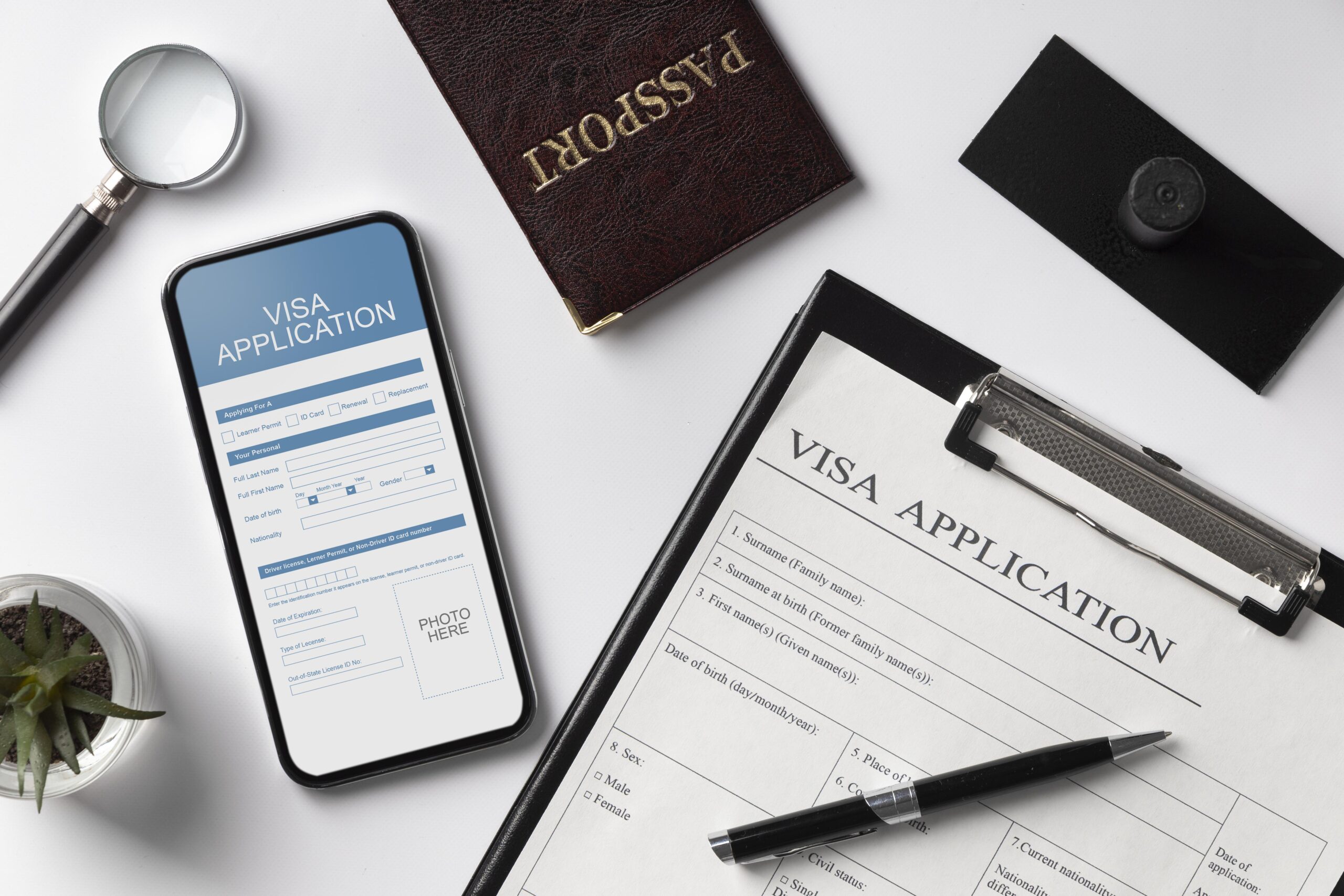
Education leaders across Australia have been ringing alarm bells lately over the massive hurdles international students are facing, especially those applying for English language (ELICOS) and vocational (VET) training. At a recent industry event, experts laid out a grim reality: Visa approval rates for these tracks have plummeted to around 60%, a brutal contrast to the 96% approval rate for standard university degrees. To make things worse, students are also getting slammed with giant application fee hikes. General student visas have jumped to a steep $2,500 AUD, while ELICOS and ASEAN applicants have to fork over $2,050 AUD, a huge, hard-to-stomach upfront cost for shorter courses.
While these policy shifts, increased costs, and headlines about visa refusals might feel incredibly intimidating, Australia absolutely remains one of the most rewarding and beautiful places in the world to study. The government is simply cracking down on application quality to protect the integrity of its education system. The secret to overcoming these new administrative hurdles is total preparation. By putting together a flawless, well-documented application, you can confidently secure your spot in an Australian classroom. Here is exactly what you need to prepare to build an airtight subclass 500 student visa application.
Australian Student Visa Application Checklist
To avoid a visa rejection, you’ve got to hand the Department of Home Affairs a bulletproof case, starting with your
- Confirmation of Enrolment: don’t even bother touching the visa application until you’ve got that official CoE locked down from your Aussie school, which you only get after accepting their formal offer letter and coughing up that first tuition deposit.
- Genuine Student (GS) Requirement: The government recently replaced the old Genuine Temporary Entrant statement with the new Genuine Student requirement. You have to provide clear, written answers in your application explaining your life back home, exactly why you chose your specific course and Australian school, and how this exact study path benefits your future career.
- Proof of Financial Capacity: You have to prove you can comfortably survive without desperately needing a job in Australia. Right now, immigration requires you to show you have at least $29,710 AUD in savings just to cover your first year of living expenses, and that is on top of your tuition and travel costs.
- English Language Proficiency: If you aren’t from a country that speaks English natively, you’ve got to submit fresh, approved test scores like IELTS, PTE Academic, or TOEFL iBT, making sure your score actually hits whatever minimum your specific program demands.
- Overseas Student Health Cover (OSHC): You cannot get a student visa without active health insurance covering your entire planned stay in the country. You have to buy this policy before you hit submit on your application.
- Health and Character Documents: Depending on where you are applying from, you will very likely need to pass a thorough medical exam with an approved panel doctor and provide a totally clean police clearance certificate.
Visa Interview and Genuine Student Assessment Tips
While most Australian student visas are processed entirely online without you ever having to set foot inside an embassy for an interview, the Department of Home Affairs might call you on the phone to clarify the answers you gave in your Genuine Student questionnaire. If your phone rings, keep these tips in mind:
- Know Your Course Inside and Out: Be completely ready to explain exactly what classes you will be taking, what city your campus is in, and why you did not just stay home to study a similar course.
- Connect the Degree to Your Future: Clearly map out how getting this specific Australian qualification will lead directly to a better job, a higher salary, or a specific career path when you eventually return home.
- Speak Naturally: If you get a phone call from an immigration officer, take a deep breath. Do not panic and do not read from a prepared script. Answer their questions calmly and honestly, just like you would if you were explaining your plans to a friend.
- Be Clear About Your Money: Know exactly who is paying for your education down to the last dollar. If your parents or a sponsor are funding your adventure, you need to be able to explain what they do for a living and how they are providing the money.
Expected Visa Processing Times
Because of the heavy scrutiny on applications right now, waiting times are shifting all over the place. Here is what you can generally expect, broken down entirely in text so you know exactly what timeline you are looking at:
- Higher Education Sector: If you are heading into a bachelor’s or master’s degree program, your processing time is generally on the faster side. Most straightforward, complete applications in this category are wrapped up and finalized within two to four weeks.
- Vocational Education and Training (VET): Because the VET sector is currently facing heavy compliance checks and lower grant rates, these applications are taking significantly longer. You should mentally prepare to wait anywhere from four to eight weeks, and sometimes much longer if the department pauses your file to ask for extra information.
- ELICOS Sector: English language course applications are also getting caught up in extended wait times. If you are applying to study English, expect a processing window of roughly four to eight weeks as well.
- The Golden Rule for Faster Processing: The single biggest reason for a delayed application is missing documents. Submitting a “decision-ready” application, meaning your health checks, biometrics, and financial proof are completely attached on day one, is the absolute best way to speed up your processing time and get your approval faster.
Official Resources
- Start your application and review official requirements directly on the Official Australian Government Department of Home Affairs ImmiAccount Portal.