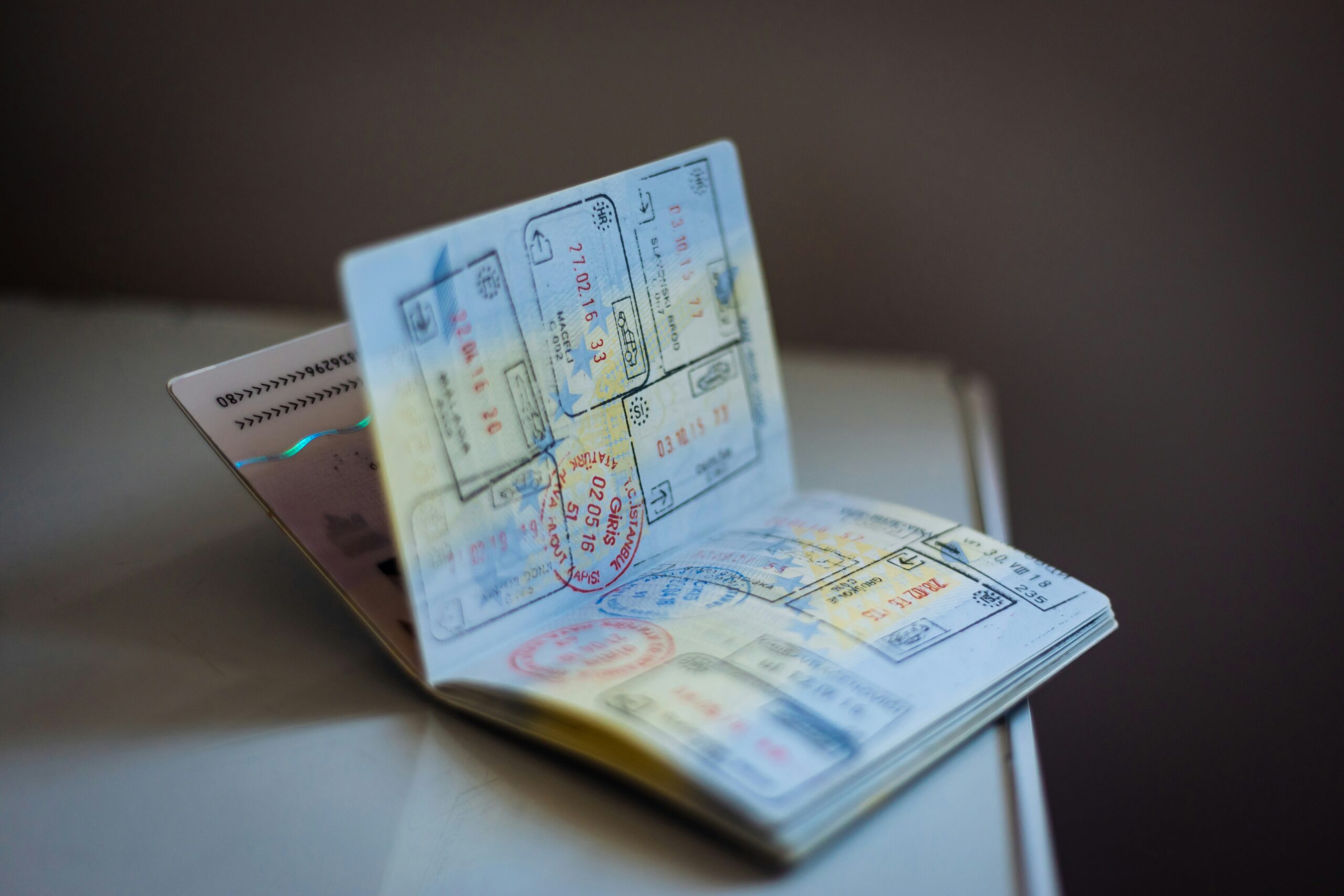
Nothing kills a good vacation mood faster than landing at an airport after a long and tiring, sleepless ten-hour flight, dragging your heavy luggage through arrivals, and realizing you have zero clue how you are going to get to your stay without getting completely ripped off by a local taxi cab.
To help eliminate that specific nightmare, home-sharing platform Airbnb recently teamed up with Irish B2B ground transportation provider CarTrawler to bring direct car rentals right into their app experience. This brand-new feature has quietly gone live across five Airbnb car rentals and visa requirements.
Counting down the days to a big trip abroad should feel exciting: months of saving every extra dollar, obsessing over little boutique hotels, saving local food spots on your map, and constantly checking your calendar.
Nothing kills a good vacation mood faster than landing at an airport after a brutal, sleepless ten-hour flight, dragging your heavy luggage through arrivals, and realizing you have zero clue how you are going to get to your stay without getting completely ripped off by a local taxi cab.
To help eliminate that specific nightmare, home-sharing platform Airbnb recently teamed up with Irish B2B ground transportation provider CarTrawler to bring direct car rentals right into their app experience. This brand-new feature has quietly gone live across five major destinations around the globe: the United States, France, Italy, Spain, and Australia.
If you are planning an upcoming vacation to any of those five spots, getting your room and your wheels locked in under one roof is a massive load off your mind. However, long before you start dreaming about setting off on a coastal road trip, getting your actual visa paperwork sorted out is the absolute most critical step. Below is a straight-shooting, stress-free guide to pulling your application dossier together, sailing through an embassy interview without sweating bullets, and what processing timelines you should actually expect.
Getting Your Entry Paperwork and Driver Credentials Ready
Sorting through visa requirements is easily the least romantic part of planning a trip, but getting your folder organized early means you aren’t freaking out at the airport check-in counter on the day of your flight. Whether you are applying for a Schengen tourist visa to visit France, Italy, or Spain, setting up an ESTA or a traditional B1/B2 tourist visa for the United States, or filing an electronic visitor permit for Australia, the core paperwork requirements follow a very similar, logical structure.
First and foremost, pull out your physical passport right now and look at the expiration date on the back page. Border control officers across Europe, the US, and Australia are notoriously strict about the six-month rule. Your passport needs to be valid for at least six full months beyond the date you plan to leave your destination country, and it must have a minimum of two completely blank visa pages left for entry stamps. If your book is getting full or expiring within the next half-year, go get it renewed before you book anything else.
Next, make sure you have clean, recent passport-sized color photos taken within the last six months against a plain, solid white background. Don’t wear heavy-rimmed glasses, hats, or anything reflective in these photos, because automated image-scanning software at consular processing centers will flag them and reject your file instantly.
Since you plan on driving in a foreign country, you will also need to bring your actual driving credentials. That means having a valid, unexpired driver’s license issued by your home country. If you are heading over to European destinations like Italy or Spain, it is also smart, and very often legally required by local traffic enforcement, to carry an International Driving Permit alongside your primary license. Having your printed vehicle reservation receipts from Airbnb or CarTrawler tucked into your travel folder gives consular officers clear proof that your ground transportation plans are legitimate.
Beyond your driving records, you need to prove where you are staying and how you are paying for the trip. You will need printed booking confirmations covering every night of your stay, round-trip flight itineraries showing exact entry and exit dates, and recent bank statements from the last three to six months demonstrating that you have enough cash to cover daily expenses, food, fuel, and rental vehicle security deposits. It is also essential to purchase a comprehensive travel medical insurance policy that covers emergency health issues and third-party car liability while you are away from home.
Realistic Processing Timelines You Need to Account For
When you are trying to lock in good flight sales and snag nice rental cars before they sell out, timing is everything. You don’t want to be sitting around holding non-refundable hotel bookings while your visa application gets lost in administrative limbo, so knowing how long things actually take keeps your stress levels low.
If you are applying for a European Schengen visa to cover trips to France, Italy, or Spain, standard consular processing generally takes between fifteen and thirty business days once your file is handed over. However, because European consulates get completely slammed during peak holiday seasons, the smartest move you can make is to submit your paperwork roughly six to eight weeks before your scheduled flight. You can legally submit a Schengen application up to six months in advance, so there is zero reason to leave it to the last minute.
If you are heading to the United States and hold a passport from a Visa Waiver country, applying for an ESTA is incredibly fast, usually taking anywhere from twenty-four to seventy-two hours for digital approval. But if you hold a passport that requires a traditional B1/B2 tourist visa, you need to plan much further ahead. Depending on which embassy or consulate you use, waiting for an in-person interview slot can take anywhere from a few weeks to several months. Once you actually attend your interview, passport processing typically takes two to six weeks.
For those planning a trip down to Australia, the Visitor Visa Subclass 600 process is handled almost entirely online. Typical processing windows run between ten and twenty-five business days, though you should still file at least six to eight weeks before your departure date in case immigration officials request biometrics or health checks.
How to Handle an Embassy Interview Like a Pro
If your destination requires an in-person sit-down with a consular officer, it is completely normal to feel a bit on edge. But keep in mind that the person behind the glass counter isn’t trying to trick you or ruin your vacation plans; they simply want to verify that you are a genuine tourist who intends to go back home when your trip is over.
Counting down the days to a big trip abroad should feel incredible: months of saving every extra dollar, obsessing over little boutique hotels, saving local food spots on your map, and constantly checking your calendar. But let’s be honest: the moment you get bogged down trying to make sense of local bus schedules, arguing over jacked-up rental car prices, and sweating over confusing visa forms, every drop of that excitement completely evaporates into sheer exhaustion.
When the officer starts asking questions about your itinerary, avoid giving short, vague answers. Talk naturally about what you actually plan on doing. Mentioning that you rented a car through Airbnb to drive along the coast in France or visit national parks in Australia shows that you have a realistic, well-thought-out holiday plan.
The main thing consular officers care about is whether you’ll actually return home, so you need to show them you have a life you can’t just walk away from. Be ready to talk naturally about your job, your family relying on you, property you own, or the degree you’re finishing up.
On interview day, wear something clean and presentable, make eye contact, and answer their questions honestly without letting your nerves get the best of you. Staying relaxed, polite, and completely genuine instantly takes the edge off, turning a stressful interrogation into a comfortable, easy conversation.
The Secret to a Truly Relaxing Road Trip
At the end of the day, travel is about giving yourself a break from the daily grind, seeing new corners of the world, and making memories with the people you care about most. Having your room, your rental car, and your entry paperwork sorted out early means that when you finally step off that plane, the only thing you have to worry about is turning the key, hitting the gas, and enjoying the ride.
You can read the original news breakdown and access primary application resources directly through the Official Government Travel and Visa Application Portal.