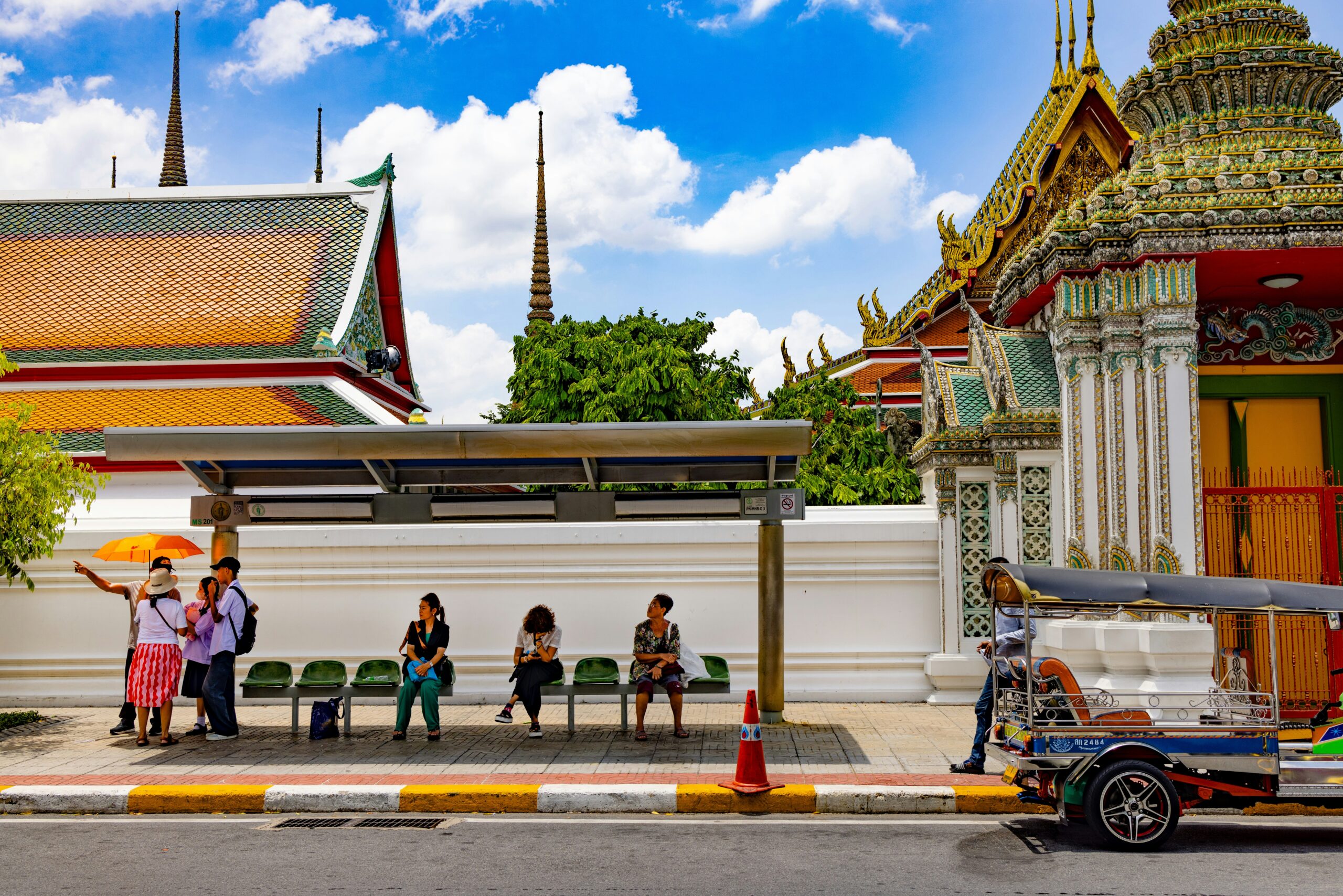
Thailand has an incredible way of staying with you, whether it’s the quiet calm of a Chiang Mai temple at dawn, the intense heat and rich smells of a Bangkok street market, or the simple joy of watching the waves roll in on a Phuket beach. For years, visitors from China were the backbone of the country’s tourist economy. But a mix of shifting travel habits, reduced flight schedules, and persistent safety concerns eventually slowed that once-reliable flow.
Rather than relying on quick marketing slogans, Thai officials are rolling up their sleeves to fix the actual foundation of their tourism sector, restoring flight paths, expanding airport capacity, and upgrading digital infrastructure so visitors feel truly secure and looked after. Following Prime Minister Anutin Charnvirakul’s weeklong visit to China, the Tourism Authority of Thailand (TAT) inked a series of major agreements with key Chinese corporate and airline partners.
Signed during the Thailand-China-Sichuan Investment and Economic Forum in Chengdu, these deals cover everything from adding direct flight routes and running joint promotional campaigns to launching smart digital mobility tools. TAT Governor Thapanee Kiatphaibool held direct, one-on-one meetings with regional travel leads to send a clear message: Thailand is doing the real work to ensure every guest enjoys a safe, smooth, and relaxing vacation.
What to Know About Thai Visas and Border Rules
Here is how the primary entry options break down in practice:
- Visa-Free Entry + TDAC: Clears you at immigration for visits up to 30 days. You must present a passport with six months of validity remaining, proof of a return or onward flight, and a completed digital arrival card (TDAC) filed within 72 hours of landing.
- Single-Entry Tourist e-Visa (TR): Takes about 3 to 10 business days to clear online. This grants an initial 60-day stay, which you can choose to extend for an extra 30 days at a local immigration office. You apply online with a passport upload, proof of stay, round-trip travel itinerary, and recent bank statements proving adequate savings.
- Destination Thailand Visa (DTV): Approval usually takes 5 to 15 business days. Geared toward digital nomads, remote workers, and people taking part in cultural activities, this multi-entry visa remains valid for 5 years and lets you stay up to 180 days per visit. You just need to show proof of having at least 500,000 Thai Baht in liquid funds.
- Visa on Arrival (VOA): Travelers with eligible passports can get this right at participating airport immigration desks. It costs 2,000 Thai Baht, grants a stay of up to 15 days, and requires a printed passport photo along with a confirmed ticket out of the country.
Pre-Departure Preparation Checklist
Before heading out, running through a quick checklist helps make sure departure day stays completely hassle-free:
1. Passports & IDs
- Make sure your passport won’t expire for at least six full months after you land in Thailand.
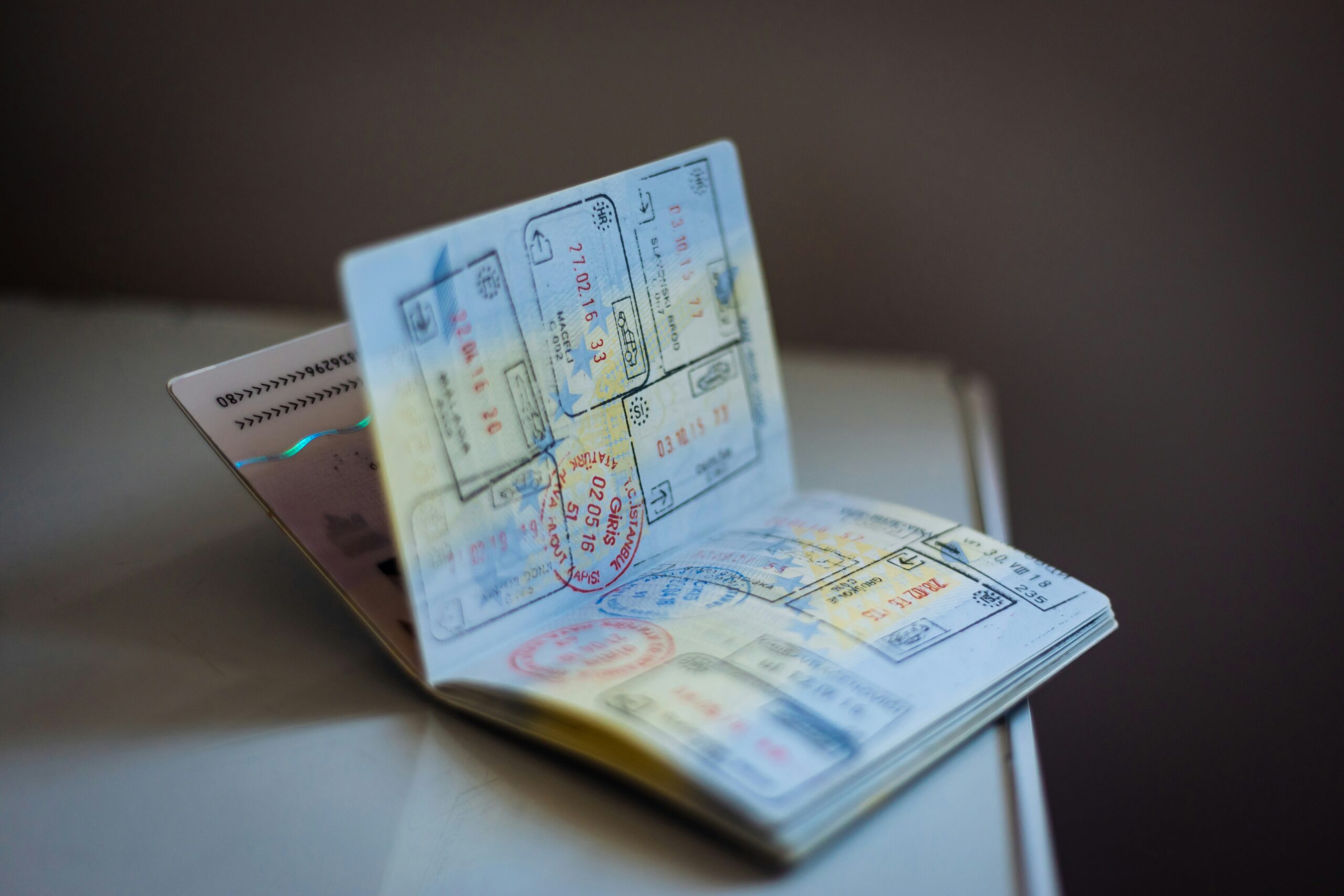
- Make sure your passport has at least two completely blank pages for entry and exit stamps.
- Complete and submit the mandatory online Thailand Digital Arrival Card (TDAC) within 72 hours before your flight lands.
- Print paper copies of your approved e-Visa (if applicable), return flight itinerary, hotel bookings, and travel insurance to carry in your hand luggage.
2. Money, Health & Local Logistics
- Pick up comprehensive international travel health insurance that covers emergency care and trip interruptions.
- Carry proof of sufficient personal funds (such as 10,000 to 20,000 Thai Baht per person in cash or bank statements) in case customs officials ask for proof.
- Let your credit card companies and bank know about your travel dates to avoid automated fraud holds while paying for meals or shopping.
- Download practical local apps, like translation software and local ride-hailing tools, to make getting around Thai cities effortless.
Practical Tips for Border Clearance and Immigration Checks
Walking up to an immigration counter in a new country can feel a little intimidating, but Thai border officers are focused on making entry safe and orderly for everyone. Keep these practical tips in mind:
- Keep Documents in Carry-On Luggage: Always keep your passport, printed flight confirmations, hotel vouchers, and approved TDAC confirmation together in a folder inside your carry-on bag; never pack essential paperwork in checked luggage.
- Be Direct About Why You’re Visiting: Speak naturally and keep it simple with border officers. Just tell them you’re there for a vacation, to see the sights, or to take a tour; that’s all they need to know.
- Double-Check Your Spelling: When typing your info into the TDAC or e-Visa forms, make sure your legal name, passport number, and birthday match your passport letter-for-letter.
- Be Respectful and Polite: A friendly smile and a polite greeting go a long way in Thailand. Approaching customs staff respectfully sets a great, stress-free tone for your whole trip.
Bringing back direct flights, streamlining customs lines, and working closely with neighboring countries make a world of difference for travelers heading to Thailand. When you combine those smoother travel logistics with the warm, welcoming nature of the locals, visiting the country’s coastal beaches, ancient temples, and lively street markets becomes far easier and completely hassle-free.
To read the full news report, check out the original article on Skift:
Skift Official Article Announcement
To check entry rules, apply for an e-Visa, or read official guidelines, go straight to the source: