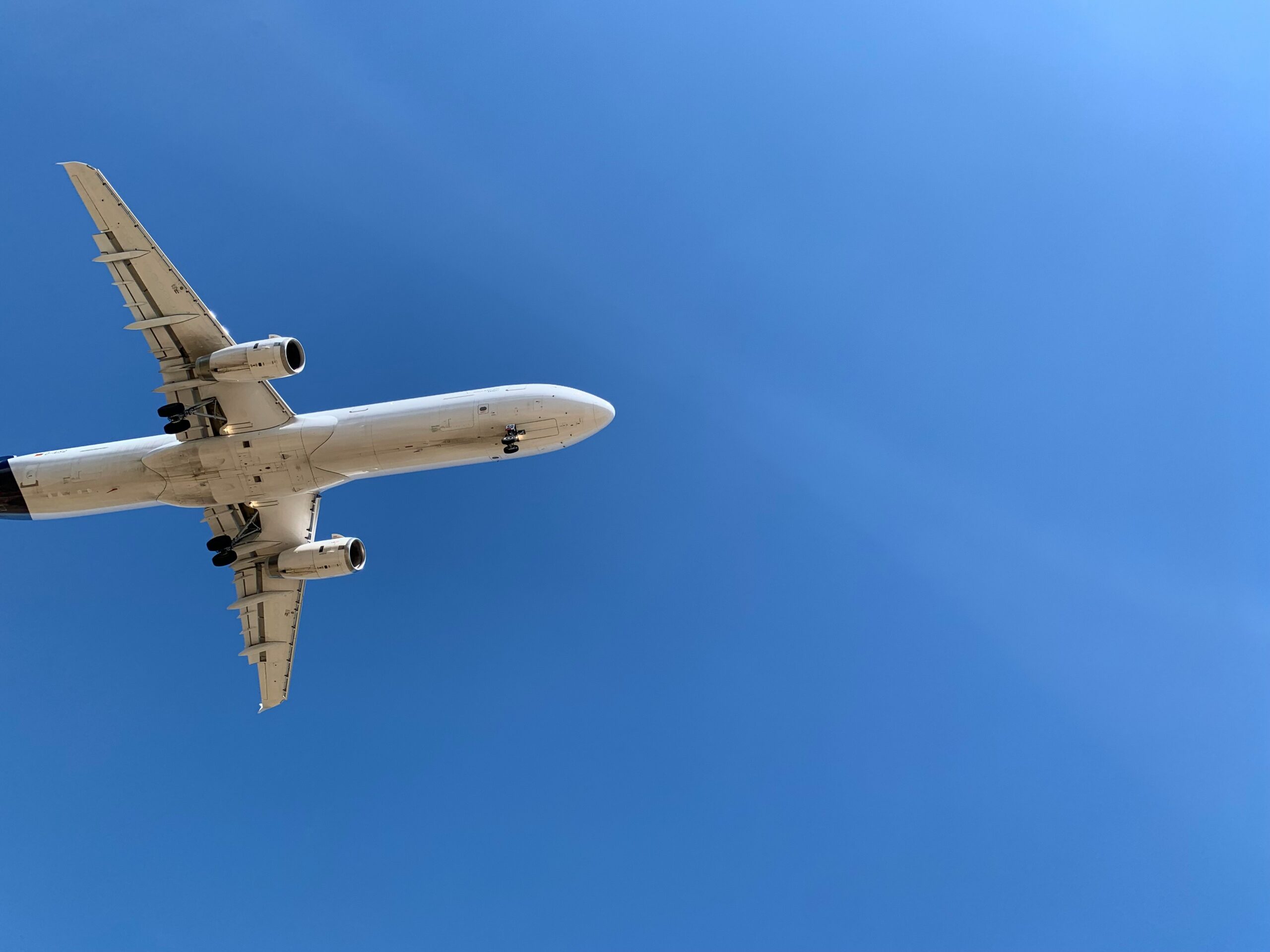
The European Commission recently pitched a long-overdue update to its carbon rules under the Emissions Trading Scheme, bringing international flights into the carbon-permit fold for the very first time.
If you are planning an upcoming trip, don’t worry, the plan includes a huge exception designed to protect long-distance travelers.
Here is what the proposal actually covers:
- The 5,000-Kilometer Cutoff: Flights traveling over 5,000 kilometers out of the EU get a pass. That means long trips heading across the ocean to the U.S. or China won’t see extra carbon charges added to the price.
- Regional Flights: The extra permits mainly target short- and mid-range international trips leaving European hubs for nearby countries outside the EU.
- Private Jets Included: Business jets and corporate aircraft, which previously escaped these regulations, are finally being brought into the system to cover their high emissions.
Expected Impact on Ticket Prices
According to estimates from environmental advocacy group Transport & Environment, ticket increases for standard commercial passengers will stay pretty modest:
- A short jump from Paris to Madrid will likely go up by about €10.
- A mid-range flight like Paris to Istanbul will see an increase of around €31.
- Long-distance flights to North America or East Asia won’t see price hikes from this specific policy change.
Pre-Flight Checklist for International Travelers
Taking care of a few quick items before leaving for the airport will save you a world of hassle at the gate:
1. Papers and Permits
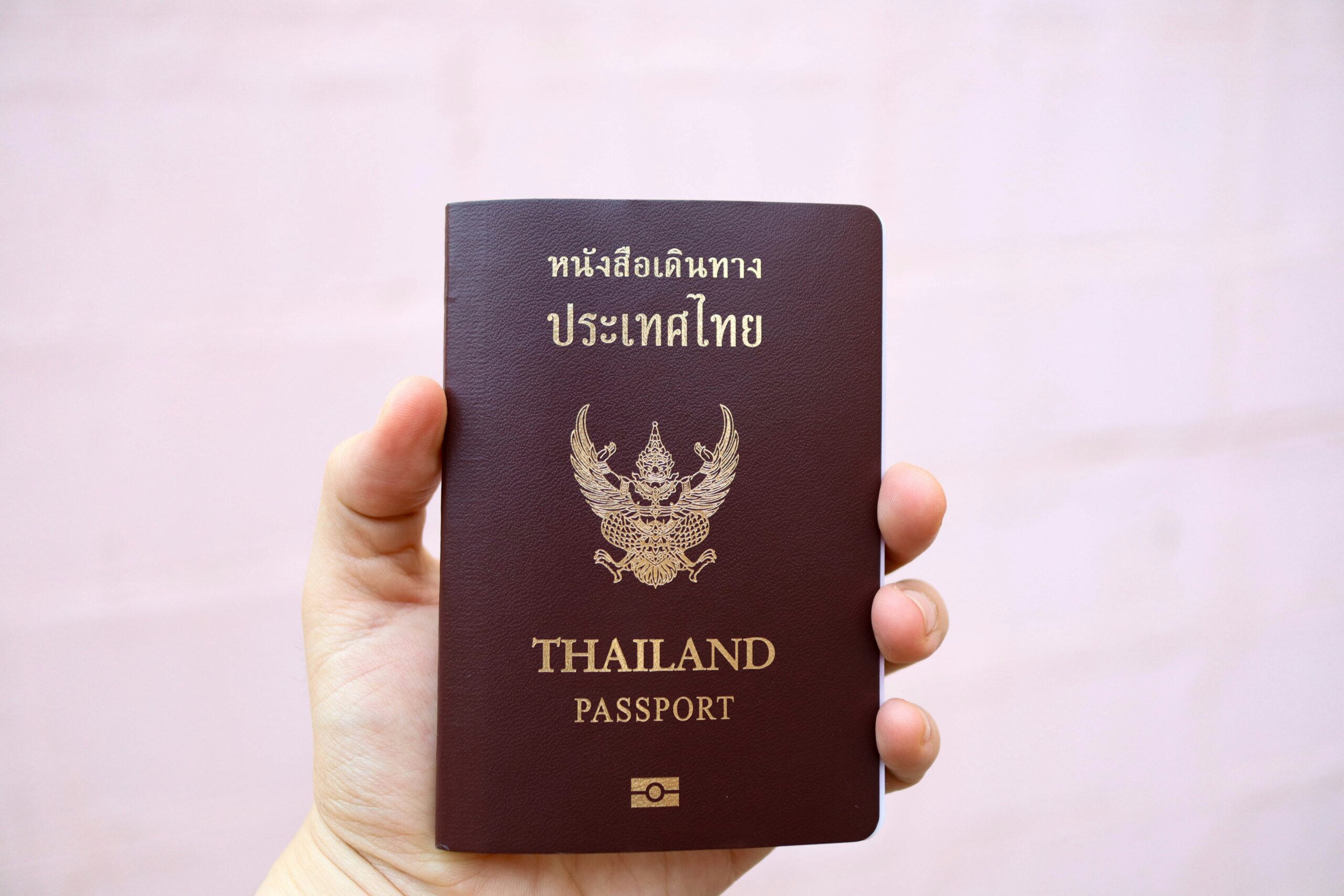
- Double-check that your passport won’t expire for at least six months after you get back home.
- Confirm if your destination requires a pre-approved digital travel permit (such as an ESTA, ETIAS, or local e-Visa) before heading to the gate.
- Print paper copies of your flight receipts, hotel bookings, and car rentals to keep in your personal bag.
- Double-check that the name on your plane ticket is spelled exactly the same as it appears in your passport.
2. Money and Health Setup
- Pick up a good travel insurance plan that covers doctor visits, hospital stays, and flight cancellations or delays.
- Give your bank or credit card providers a quick heads-up about your travel dates so they don’t lock your cards while you’re abroad.
- Keep a small reserve of local cash or confirm your phone is set up for mobile contactless payments.
Simple Advice for Clearing Airport Customs
Going through airport security and immigration checkpoints doesn’t have to be stressful if you follow a few basic habits:
- Keep Essential Papers Ready: Store your physical passport, boarding passes, and visa approvals together in an easy-to-reach pocket in your carry-on. Never put them in checked luggage.
- Keep Answers Direct: Just tell the border guard what you’re up to; a quick, straightforward answer about taking a vacation, dropping in on family, or coming in for a brief work trip is all they need to hear.
- Double-Check Security Limits: Review liquid limits and bag sizes before getting in line so you aren’t stuck digging through your luggage at the X-ray machine.
- Be Polite and Patient: Border staff deal with huge crowds all day. A simple smile and a polite hello go a long way toward making your entry smooth and easy.
To read the full news story and policy analysis, check out the original article on Skift:
Skift Official Article Announcement
To look up official European climate policies or double-check carbon regulations straight from the source, head to the official portal: